Common Misconceptions About Appliance Recycling and Disposal


Understanding Appliance Recycling
Recycling and disposing of old appliances can often be misunderstood, leading to improper disposal and missed opportunities for sustainability. It's essential to recognize the importance of proper appliance recycling to protect our environment and conserve valuable resources. Many people assume that simply throwing away an old appliance is the easiest solution, but this can have harmful environmental impacts.
Myth: All Appliances Are Recycled the Same Way
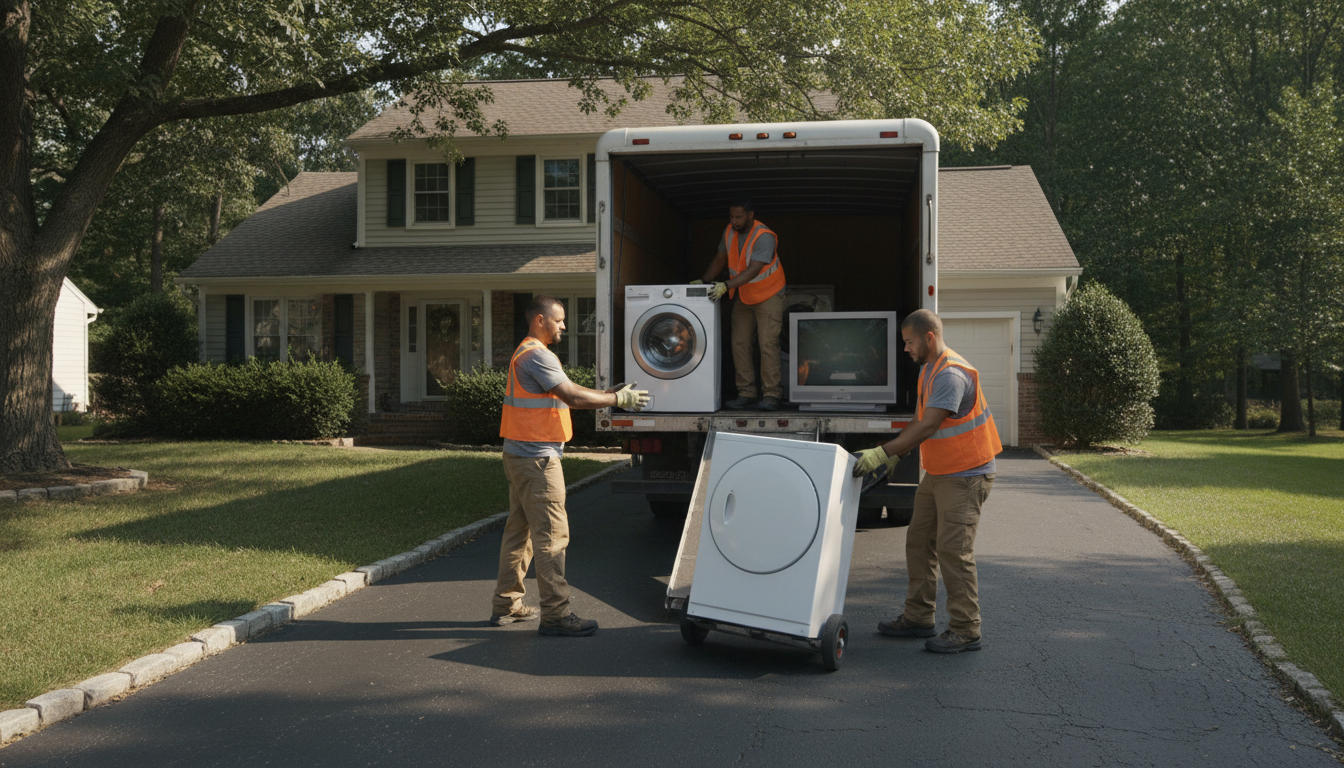
One common misconception is that all appliances undergo the same recycling process. In reality, different types of appliances require different methods of recycling due to the materials they contain. For example, refrigerators and air conditioners contain refrigerants that need special handling, while other appliances like microwaves may contain hazardous materials that require specific disposal techniques.
Understanding these differences is crucial to ensure that each appliance is processed correctly, minimizing environmental hazards and maximizing resource recovery.
Myth: Appliance Disposal Is Free
Another misconception is that disposing of old appliances is a free service provided by local waste management. While some municipalities offer free pickup services, many charge a fee for proper disposal. This fee often covers the cost of handling potentially hazardous materials safely and ensuring that recyclable components are processed correctly.
Myth: All Parts of an Appliance Are Recyclable
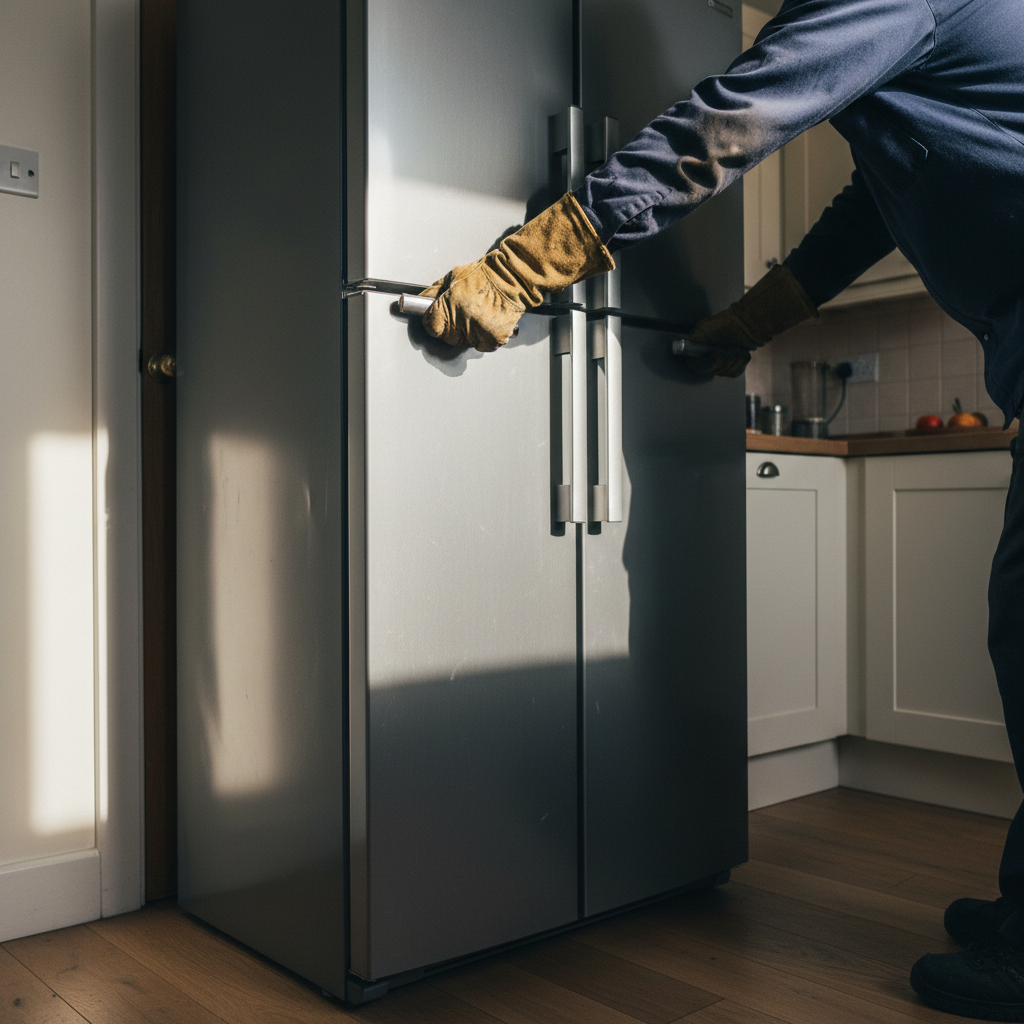
While many parts of an appliance can be recycled, not every component is suitable for recycling. For instance, electronic components and certain plastics might not be recyclable in all regions. It's vital to check with local recycling programs to understand which parts can be recycled and ensure they are separated from non-recyclable materials.
By correctly sorting recyclable and non-recyclable parts, we can contribute to more efficient recycling processes and reduce waste.
Myth: DIY Disposal Is Always Safe
Some individuals believe they can safely dismantle and dispose of appliances themselves. However, this can be dangerous without the proper knowledge and tools. Appliances often contain sharp components, electrical hazards, and harmful substances that require professional handling to avoid injury and environmental contamination.

Myth: Recycling Is Inconvenient
Many people assume that recycling appliances is a complicated and inconvenient process. However, numerous options are available, from curbside pickup to drop-off centers, making it easier than ever to recycle old appliances responsibly. Many retailers even offer take-back programs when purchasing a new appliance, simplifying the process further.
Embracing these convenient solutions can make a significant difference in reducing landfill waste and promoting sustainability.
Conclusion: The Importance of Informed Disposal
Understanding the facts about appliance recycling and disposal is essential for making informed decisions that benefit both the environment and our communities. By debunking these common myths, we can all take steps towards more responsible and sustainable disposal practices. Let's work together to ensure our old appliances are handled with care and respect for the planet.